Illustration Trends 2025
Comic-Style Illustration
Comic-style illustration is once again at the height of popularity thanks to its ability to combine bold graphics with strong storytelling. Clean outlines and an emphasis on line work help highlight the main elements of a composition and make each image easy to read, even without a highly detailed background.
This approach is ideal for serial projects where narrative consistency matters — for example, advertising banners or branded comic strips that gradually unfold the story of a product or service.
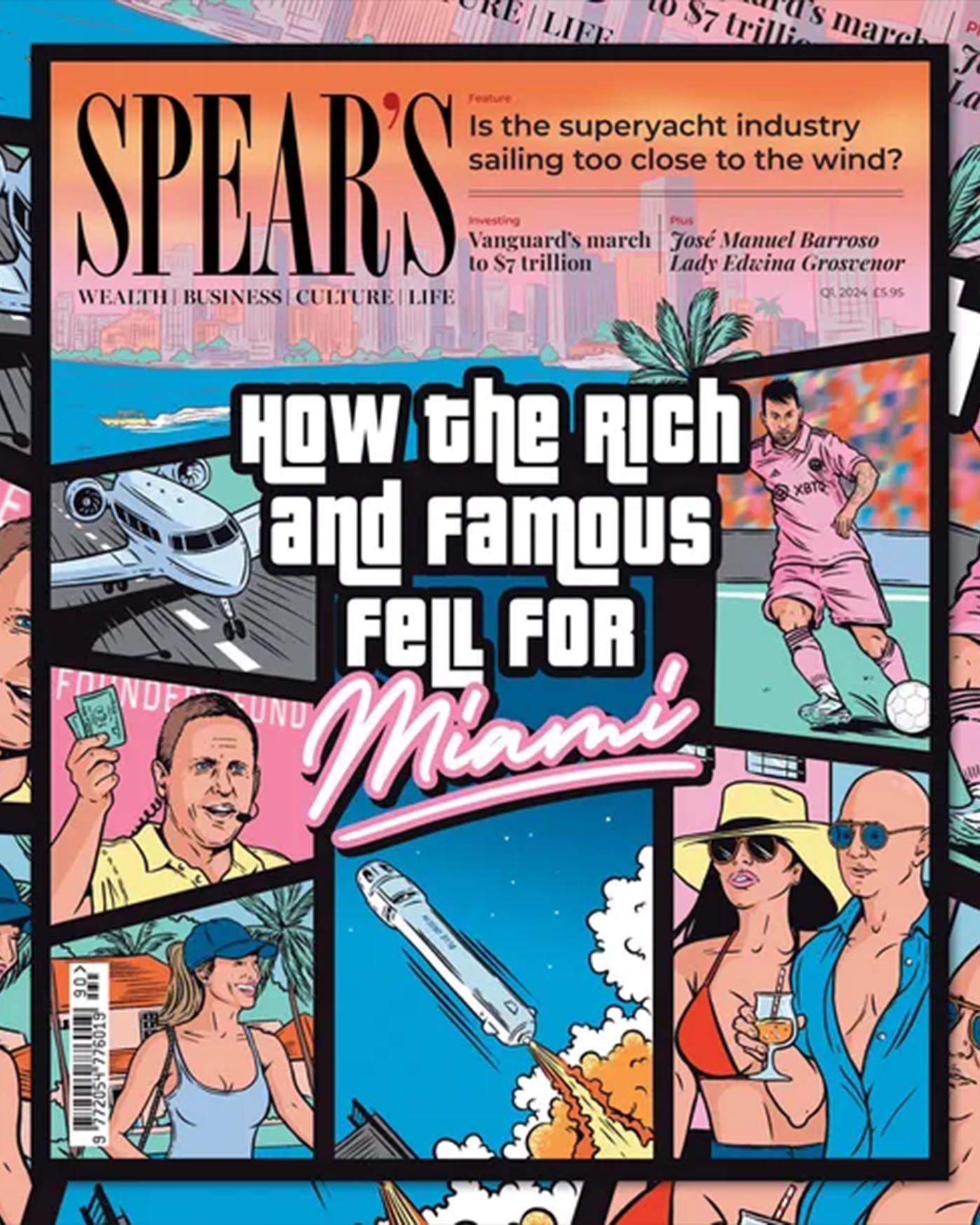
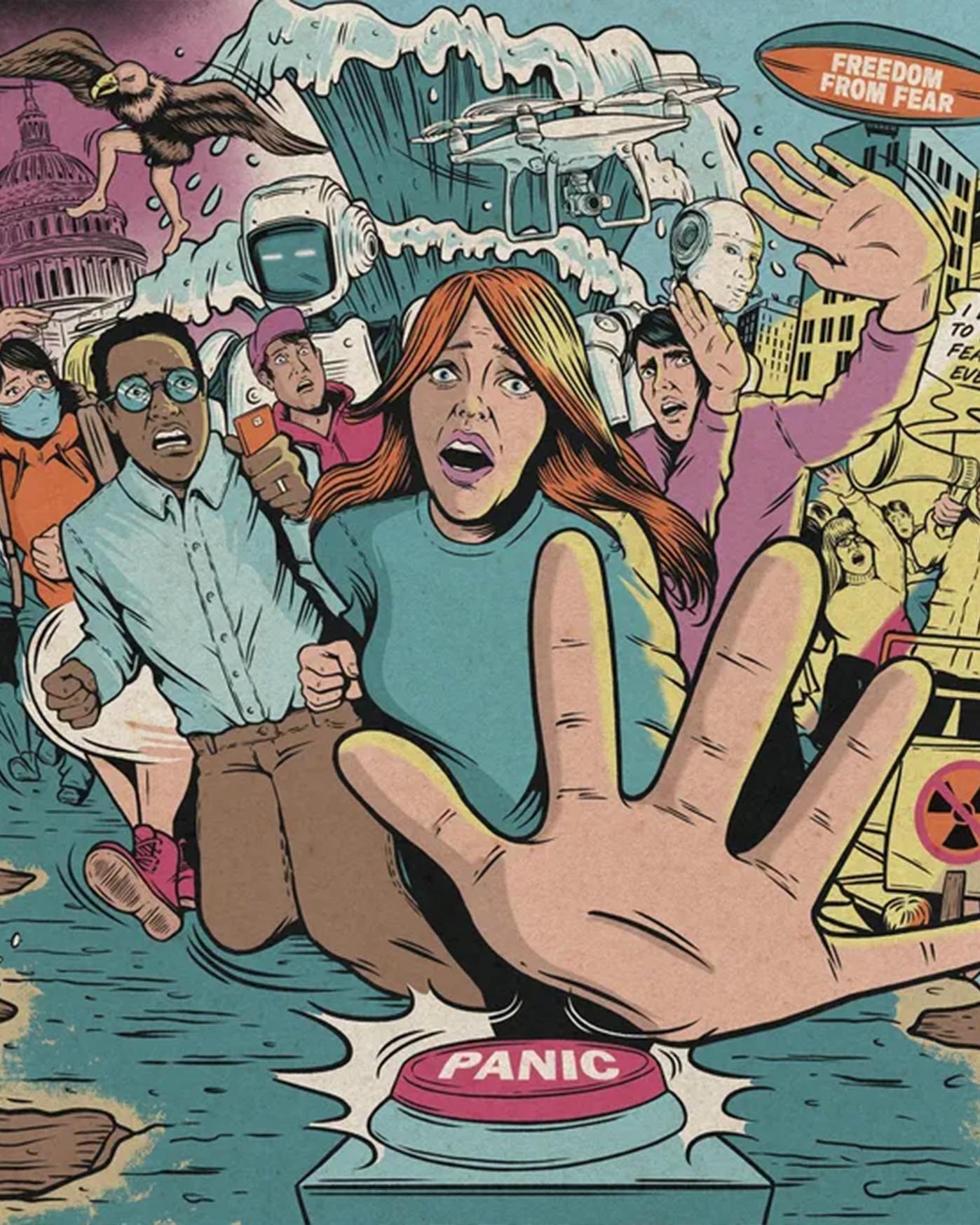
Many creative directors turn to this style because it combines dynamism with clarity. Expressive line work immediately draws the viewer’s attention to what matters most, while excessive detail does not distract from the message. Compositions can range from minimalist to richly layered — depending entirely on the task at hand: sometimes a few bold contours are enough, while in other cases fully developed panel sequences with multiple narrative threads are required.
Brands and media companies also value comic-style illustration for its versatility. Artists can quickly adapt characters and scenes for different formats — from social media to large-format posters — without losing stylistic consistency. Moreover, thanks to the familiar visual language of comics, this type of content is easy for audiences of all ages to engage with, making it especially effective for broad advertising campaigns.
Finally, the comic style encourages strong emotional involvement: clear silhouettes and expressive poses communicate mood and tone with precision. This is a case where the simplicity of line becomes the most powerful dramatic tool — allowing the illustrator to control pacing and guide the viewer’s eye without relying on complex graphic techniques.
Illustrators: Cat Sims and PJ Kaiowa
YA Covers for a Female Audience
By 2025, we are already seeing a noticeable increase in requests and bookings for cover illustrations in the Young Adult segment with a focus on female readers. Clients are seeking designs that instantly resonate with teenagers aged 12–18 through striking imagery and a contemporary visual approach.
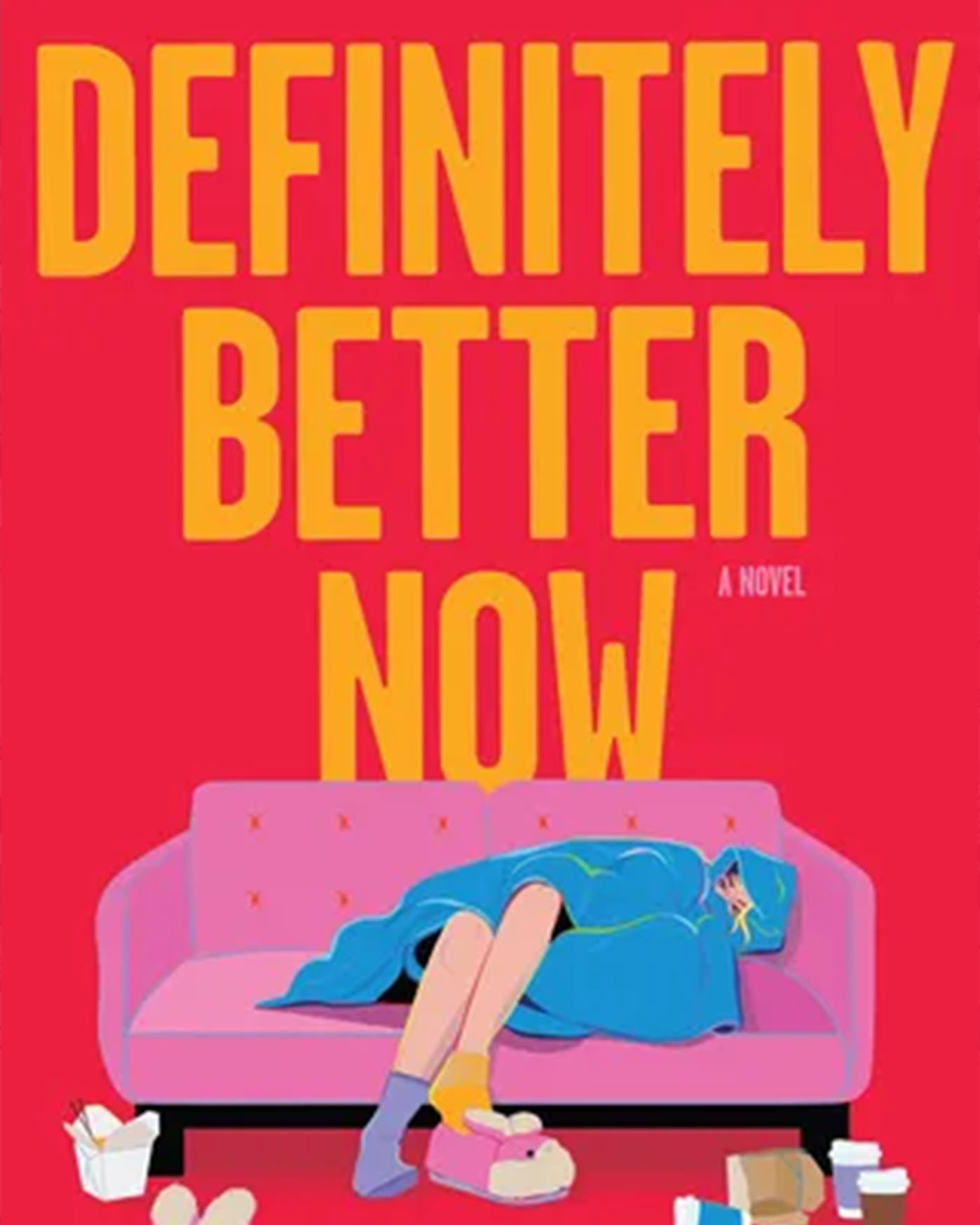
The YA market requires illustrators to balance emotional intensity with up-to-date aesthetics. This often means using rich yet harmonious color palettes, soft gradients, and precise rendering of key elements. Covers should not merely illustrate the plot literally — they must create an emotional connection, making the reader feel that the story speaks directly to her.
A well-crafted YA cover for a female audience is more than just a “pretty picture”; it is a powerful marketing tool. It highlights themes of self-discovery, friendship, first love, or social challenges, helping a book stand out among competitors and find its readership. At Artevide, we take all of these nuances into account to create covers that not only sell, but also inspire.
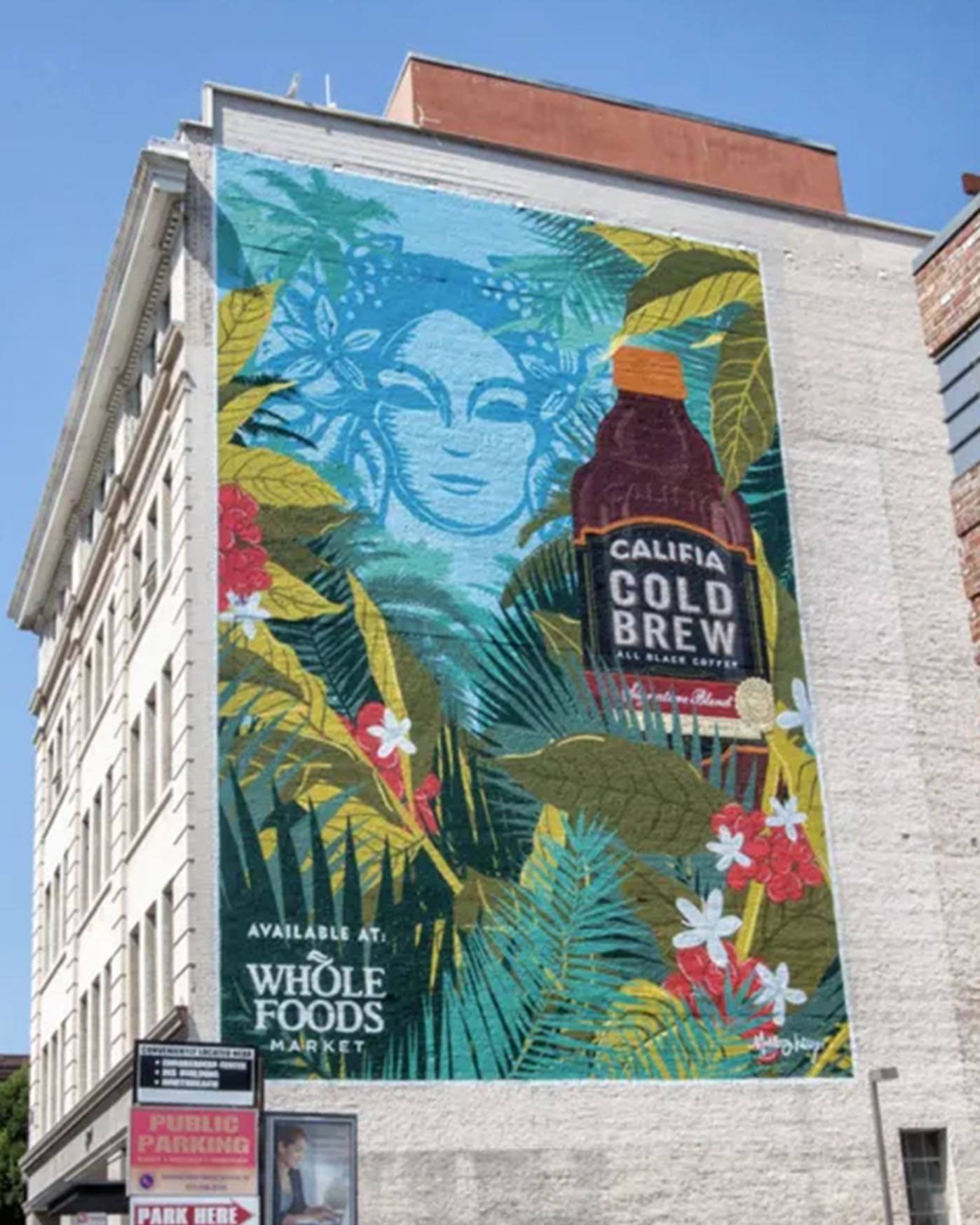
Illustrator: Mallory Heyer
Eastern Influences and Global Perspectives
Illustrators from across Asia seamlessly combine traditional Eastern techniques — from calligraphy to the intricate detailing of mythological imagery — with contemporary Western visual approaches. Folkloric motifs appear alongside the urban silhouettes of New York or London, or flow naturally into minimalist graphic elements. Through this hybrid method, their work develops a global visual language that resonates with wide audiences while preserving cultural authenticity.
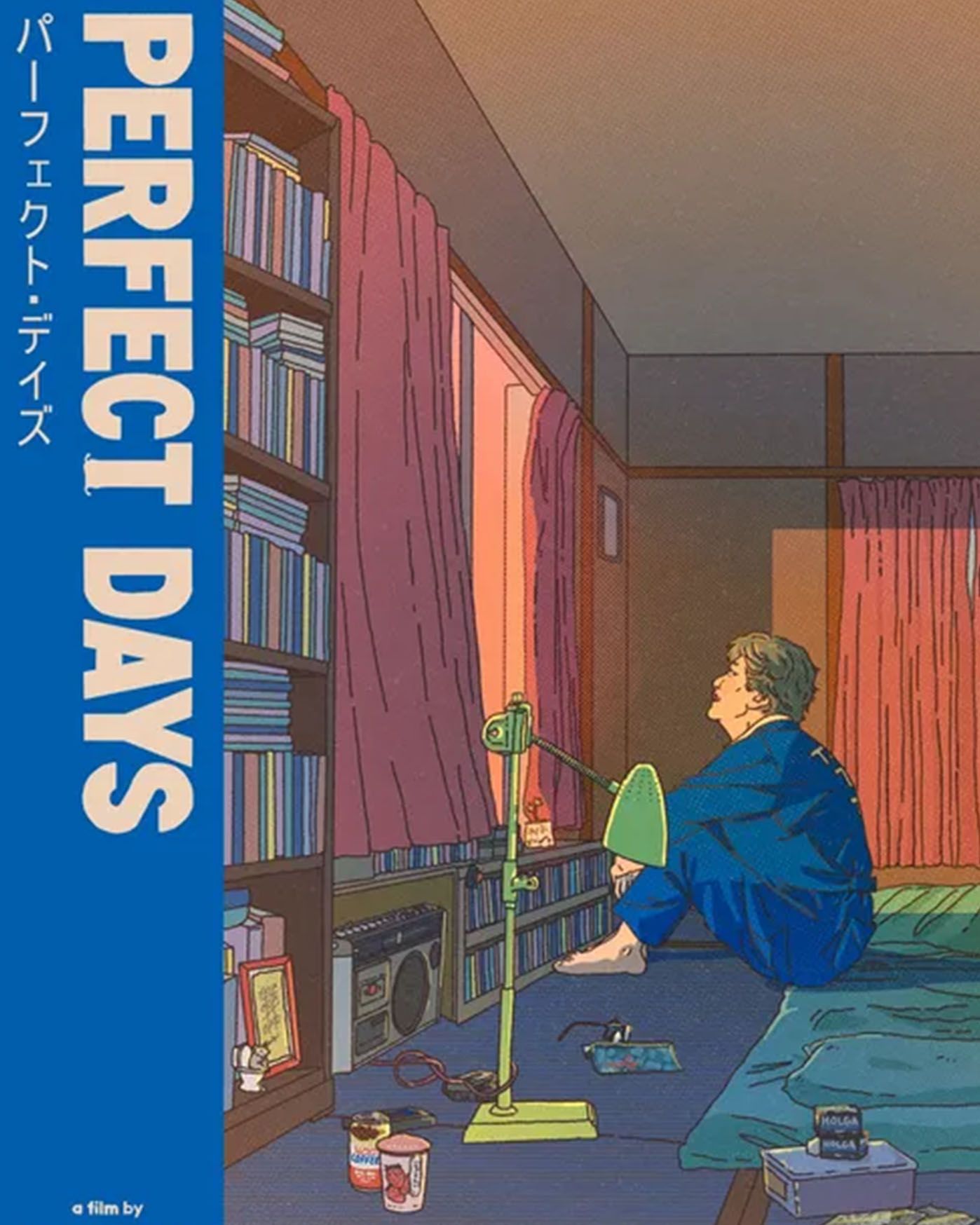
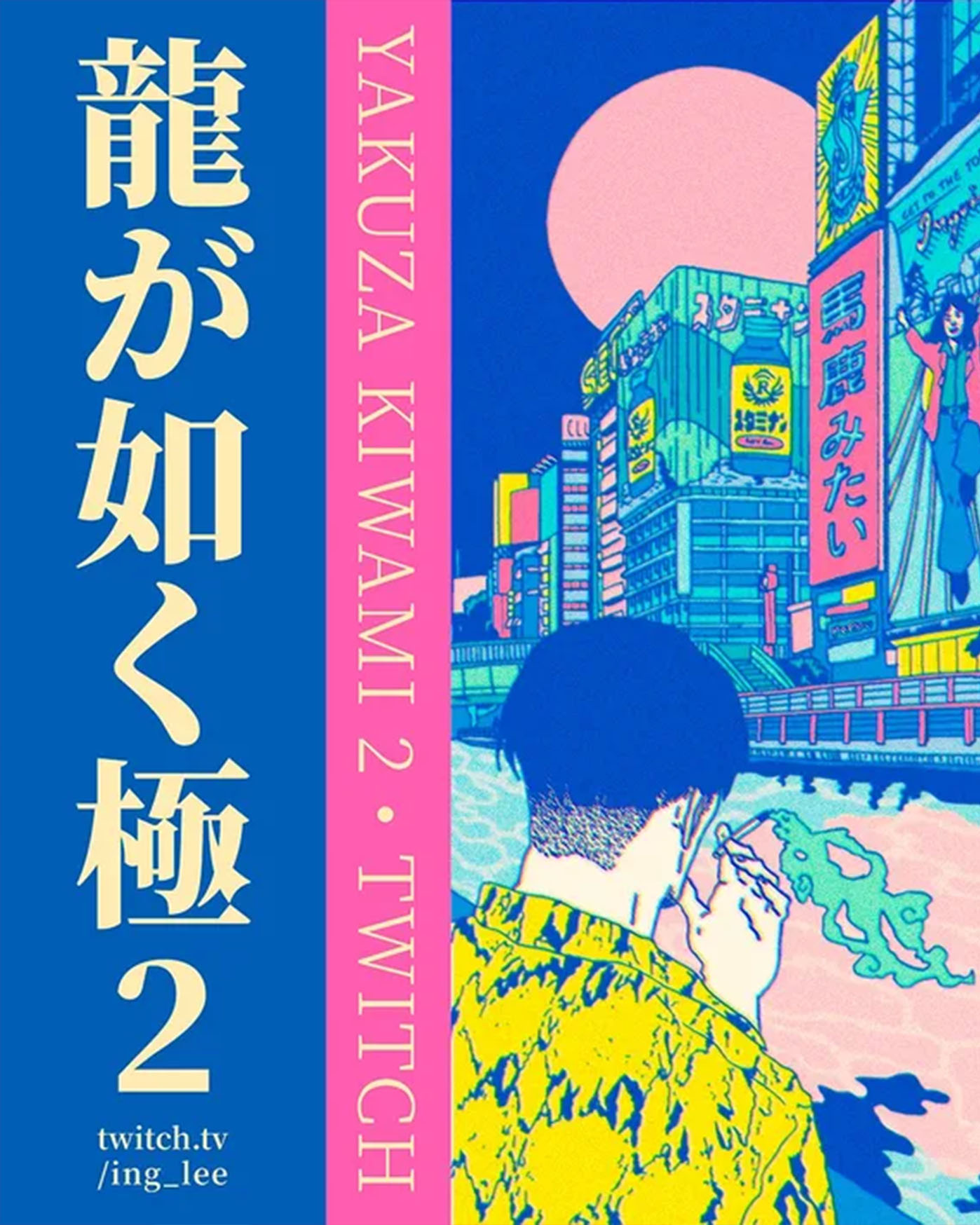
Many creative directors value this style for its ability to tell stories “between two worlds.” Artists who once worked exclusively on local publishing or advertising projects are now taking on large-scale international campaigns, as their visuals integrate effortlessly into virtually any cultural context. This approach allows brands to emphasize openness to cultural diversity and build emotional connections with audiences across different regions.
For brands and publishers, this trend offers not only a way to present themselves as inclusive, but also to communicate global values through imagery. At Artevide, we actively apply these principles in our projects — adapting color palettes and narrative elements for local markets while maintaining the overarching concept and message. This enables our clients to reach new audiences with confidence in the sincerity and cultural sensitivity of every visual.
Illustrator: Ing Lee
Від реального до ілюзорного
Illustrators who skillfully shift from precise, “photographic” realism to surreal accents — and then return to a realistic style — are currently in particularly high demand among creative directors.
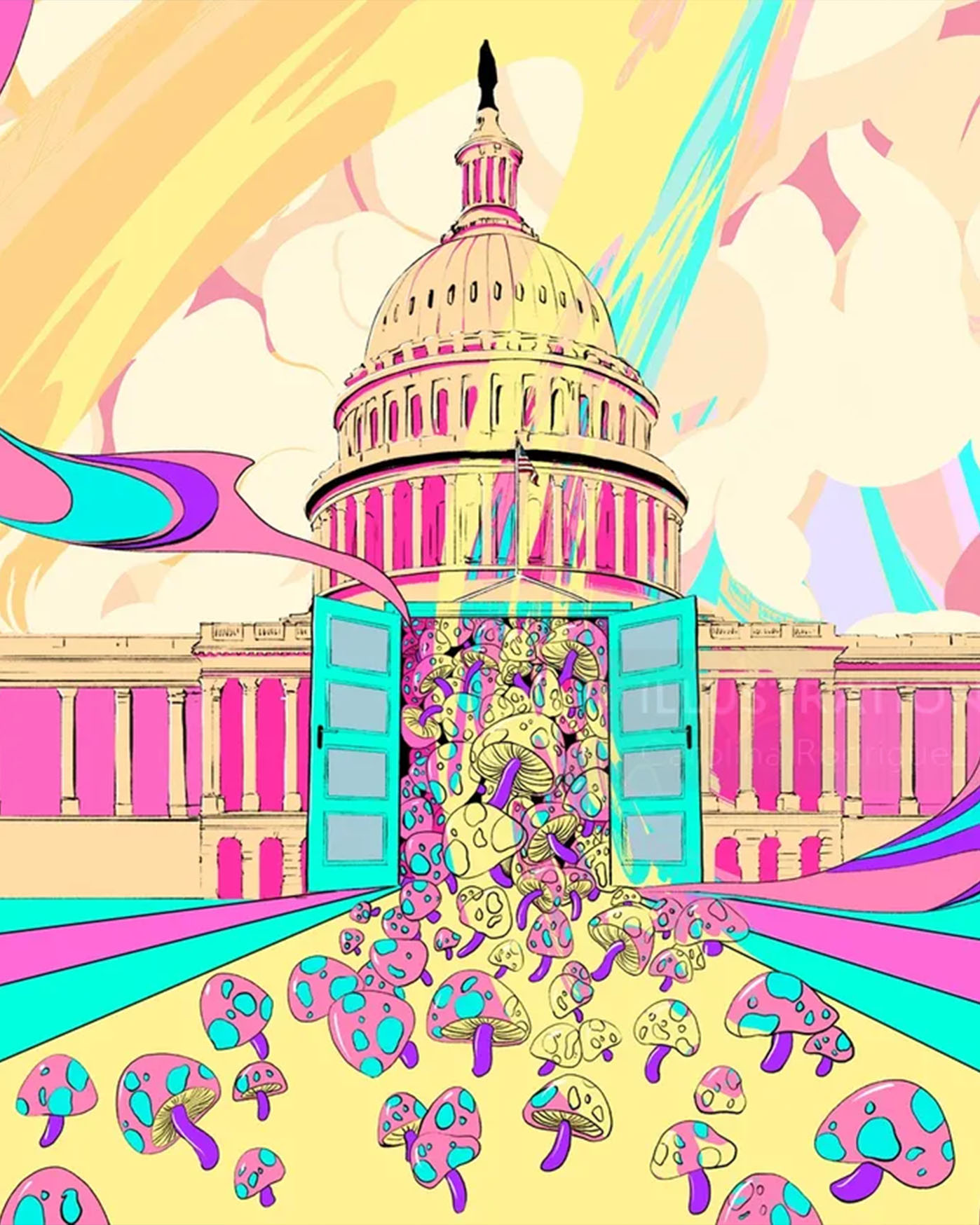
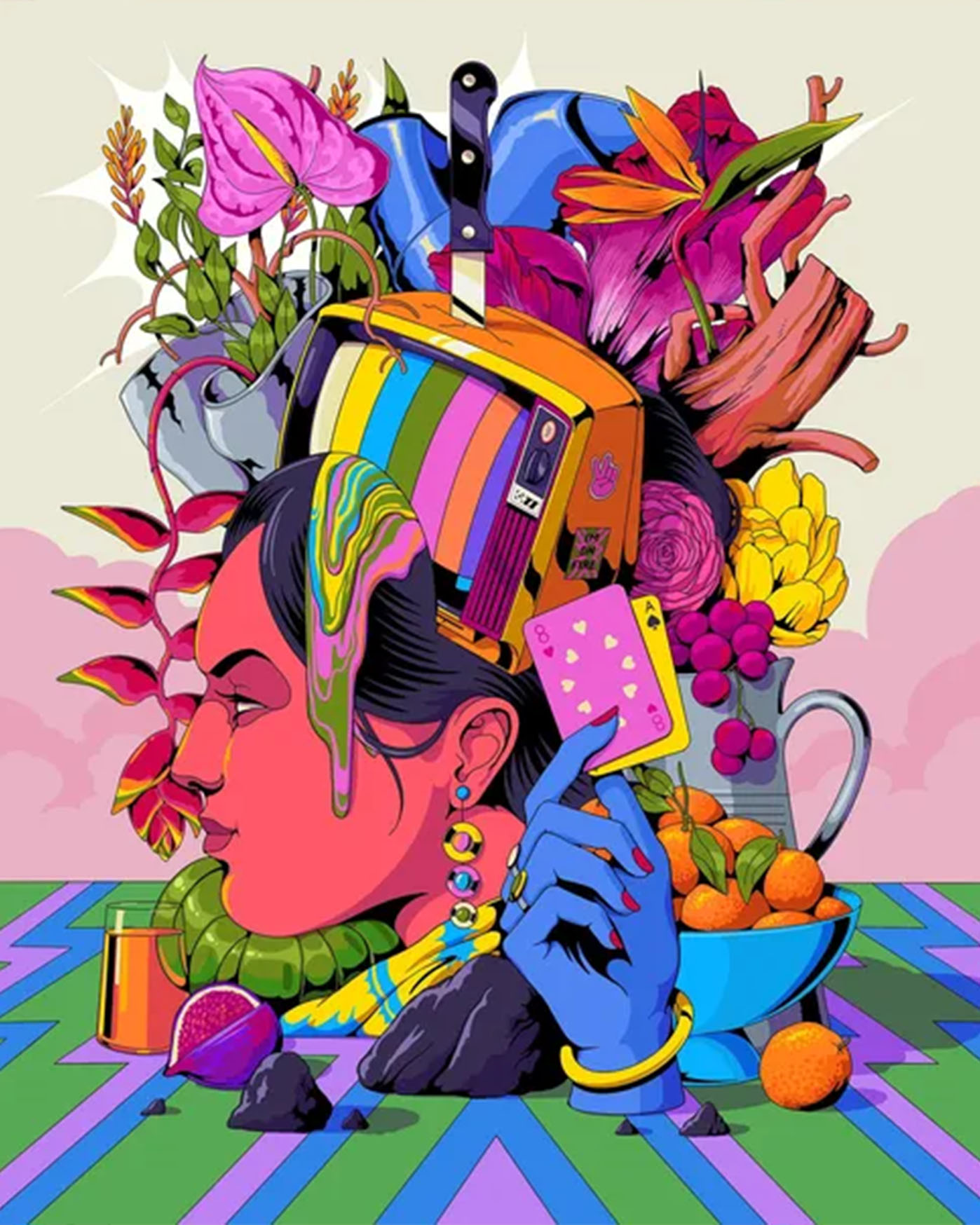
The main appeal of this approach lies in the balance between clarity and intrigue. Typically, an artist begins with a clearly defined real-world scene: a portrait or a still life rendered with a natural palette and careful detail. The image then gradually starts to dissolve, introducing unexpected elements — from floating fragments of real objects to fantastical shapes and visual effects. This contrast between realistic contours and enchanting, unreal additions captures and holds attention, as the brain instinctively compares the familiar with the extraordinary.
Commercial applications of this trend are remarkably diverse. In fashion advertising campaigns, blending authentic imagery with illusory effects helps create a look that feels recognizable yet emotionally compelling. In editorial design, such illustrations act as a strong visual “hook,” encouraging readers to linger longer than they would over a traditional realistic image. Even product packaging can benefit from this technique: a familiar product photograph enhanced with surreal graphic elements can highlight a brand’s uniqueness. Thanks to its versatility, the “reality → illusion” shift becomes a powerful tool for emotional engagement across any audience.
Illustrators: Muhammed Sajid and Carolina Rodriguez Fuenmayor
In Short
All 2025 trends share a common idea: a balance between the familiar and the innovative. The clean lines of comic-style illustration, the emotional depth of YA covers, the cultural hybrids of East and West, and semi-realistic surreal transitions create a space where every story finds its “anchor” — instantly recognizable yet capable of surprise.
It is precisely this ability to ground the viewer in reality while simultaneously transporting them into fantasy that makes contemporary illustration so compelling.